

Details
Read time
2 Minutes
Date
April 2, 2026
Part 2: Easter in Makarska – Culinary Treasures and the Magic of Vepric
Lovely Easter time in Makarska
After exploring the tranquility and the awakening of spring in Part 1, we now dive deep into what makes Easter in Makarska so authentic: the Croatian way of life, the sacred sites, and a festive feast that bids a final farewell to winter.
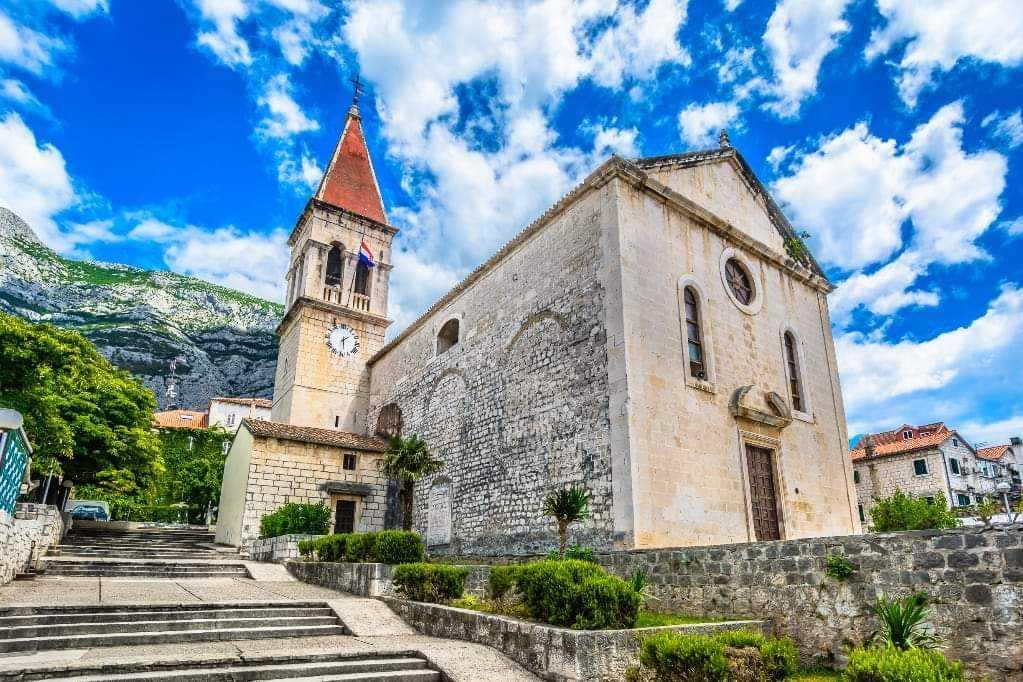
⛪ A Place of Power: Pilgrimage to Vepric
If you are in Makarska during the Easter holidays, a visit to the Vepric Sanctuary is almost a must. Located on the western outskirts of the city, this pilgrimage site is reminiscent of the Grotto of Lourdes.
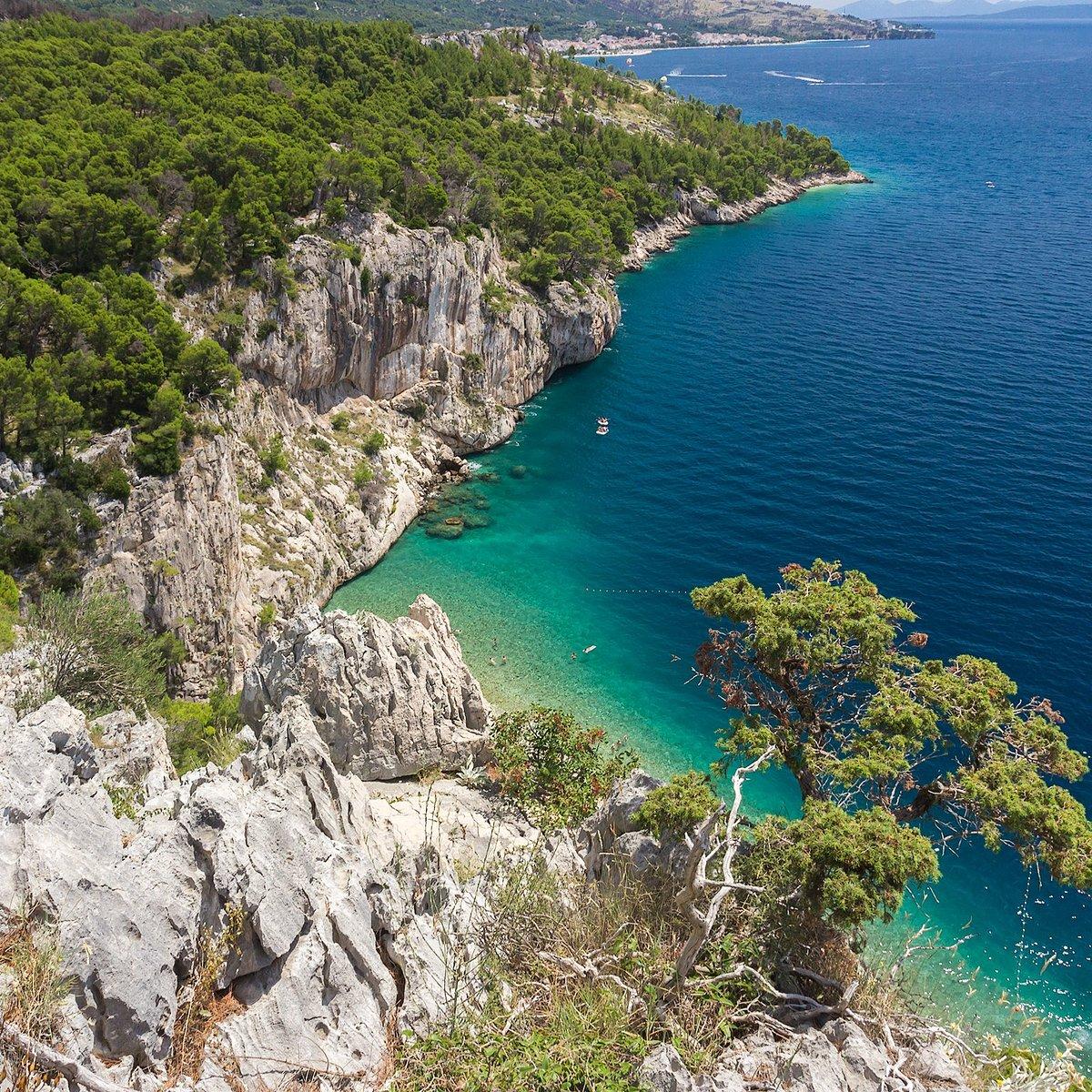
- The Atmosphere: Especially during Easter, a very special energy permeates this place. The sanctuary is carved into the rock and surrounded by dense pine forests. It is silent, cool, and peaceful.
- How to Behave: Vepric is a place of prayer. Locals come here to light candles and pause for reflection. Respectful, quiet behavior is a matter of course. It provides the perfect contrast to the lively hustle and bustle of the Riva—a true moment of spiritual regeneration.
The Grand Feast: What’s on the Table at Easter
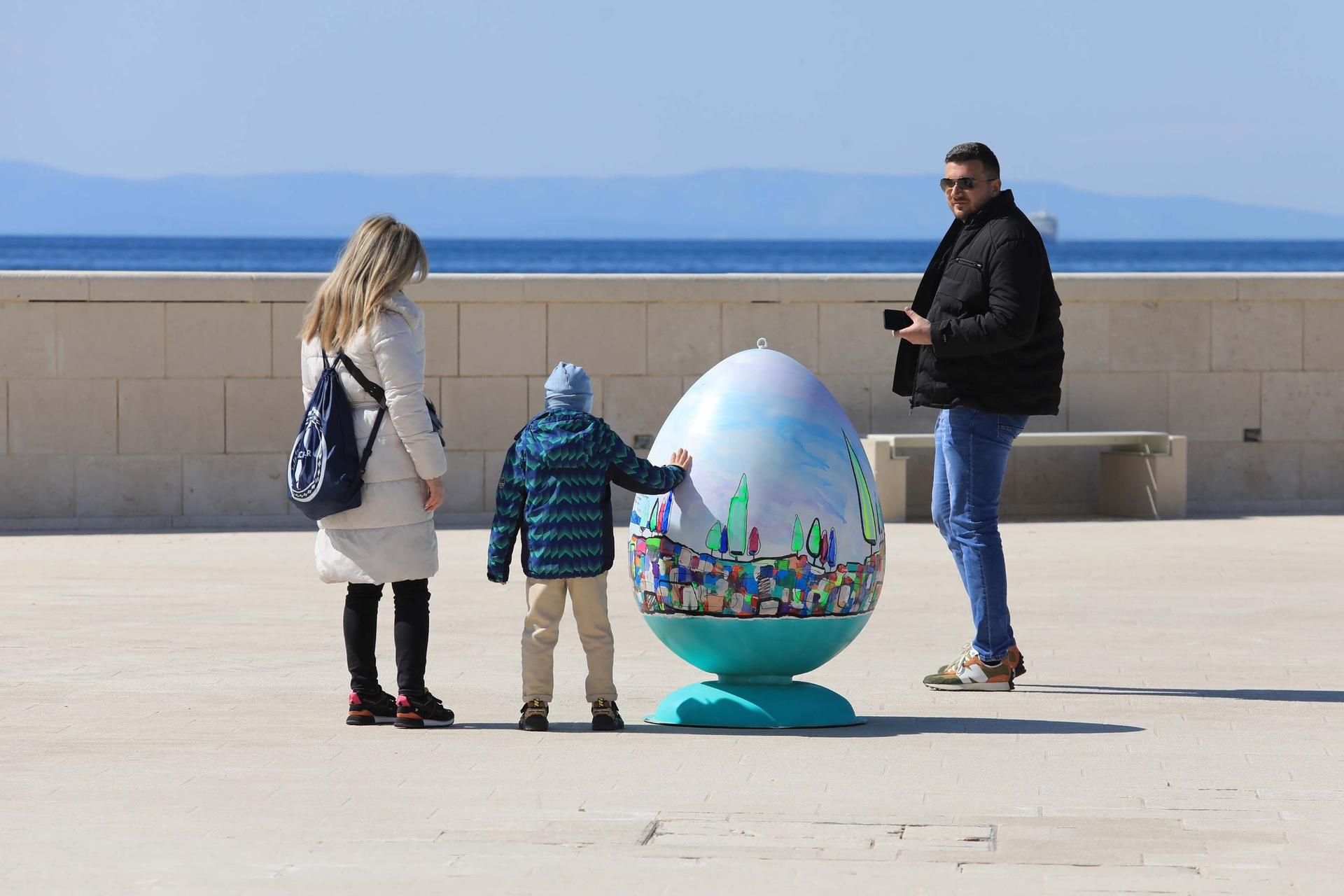
In Croatia, a holiday means one thing above all: food in abundance. Croatian Easter cuisine is down-to-earth, fresh, and full of symbolism.
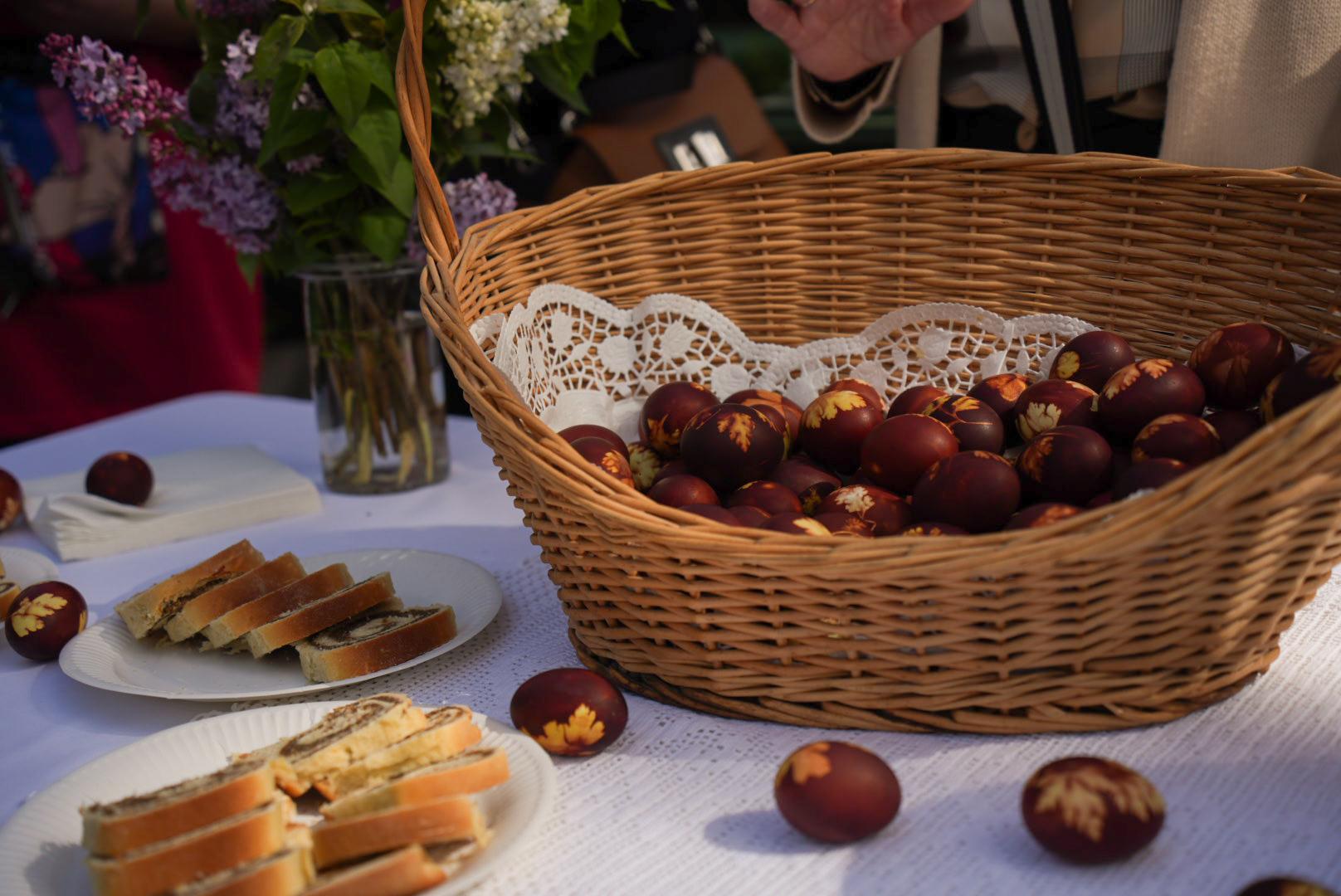
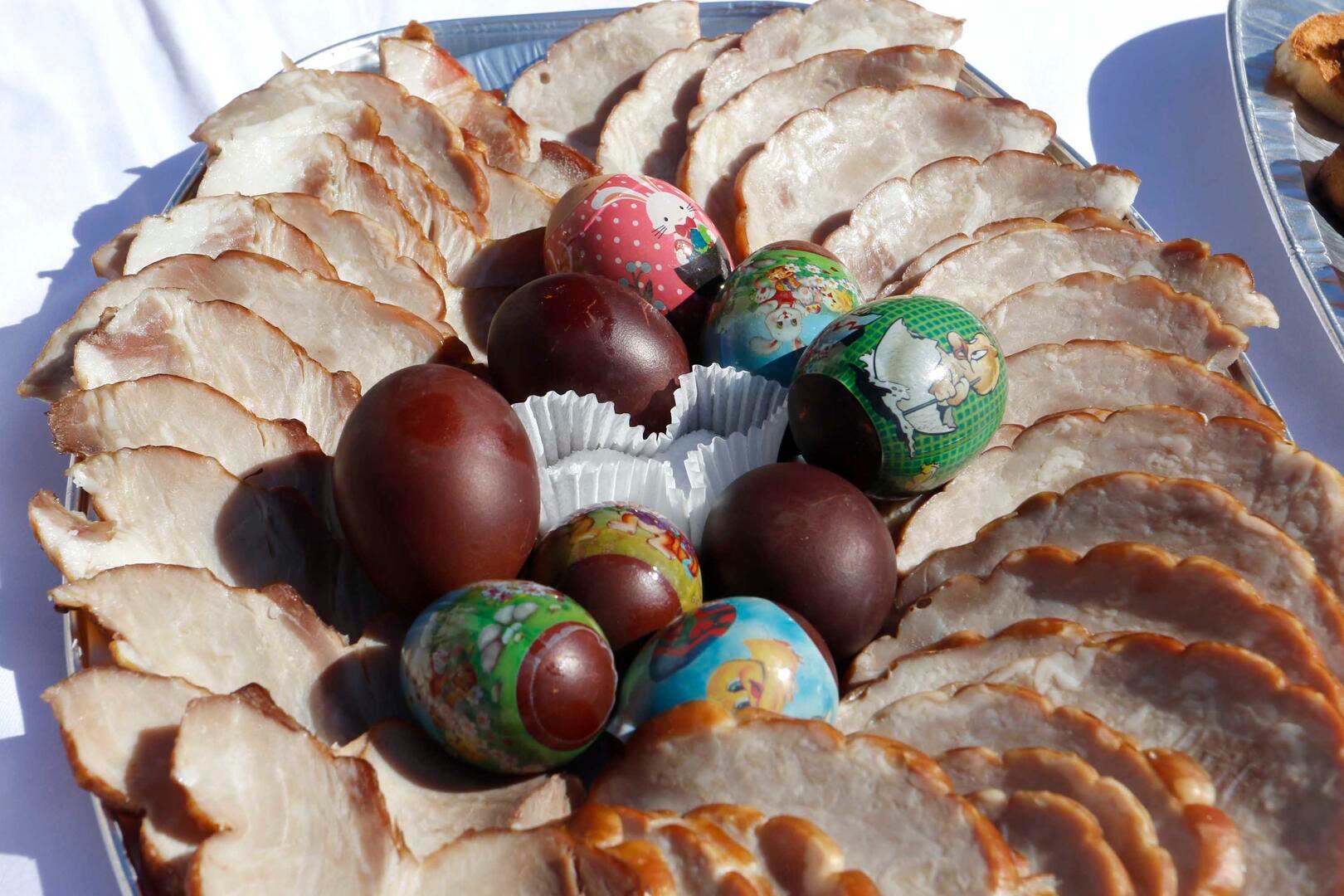
- The Blessed Breakfast: Easter Sunday begins with the contents of the baskets previously blessed in the church. Typical items include boiled eggs, succulent cooked ham (Kuhana šunka), fresh spring onions (Mladi luk), and radishes. There is always a pinch of salt and, of course, Sirnica—the sweet, fragrant Easter bread.
- The Easter Lamb (Janjetina): The star of the lunch table is the lamb. In restaurants around Makarska and in the hinterland, the lamb is often roasted for hours on a spit over an open fire. The skin is crispy, and the meat is buttery tender. It is usually served with simple side dishes like young potatoes and salads.
- Pašticada: Many Dalmatian families also serve Pašticada at Easter—a slow-braised beef dish in a rich, dark sauce made from wine, plums, and spices, served with homemade gnocchi.
Highlight on April 6th: Easter Breakfast at Trg 4. svibnja
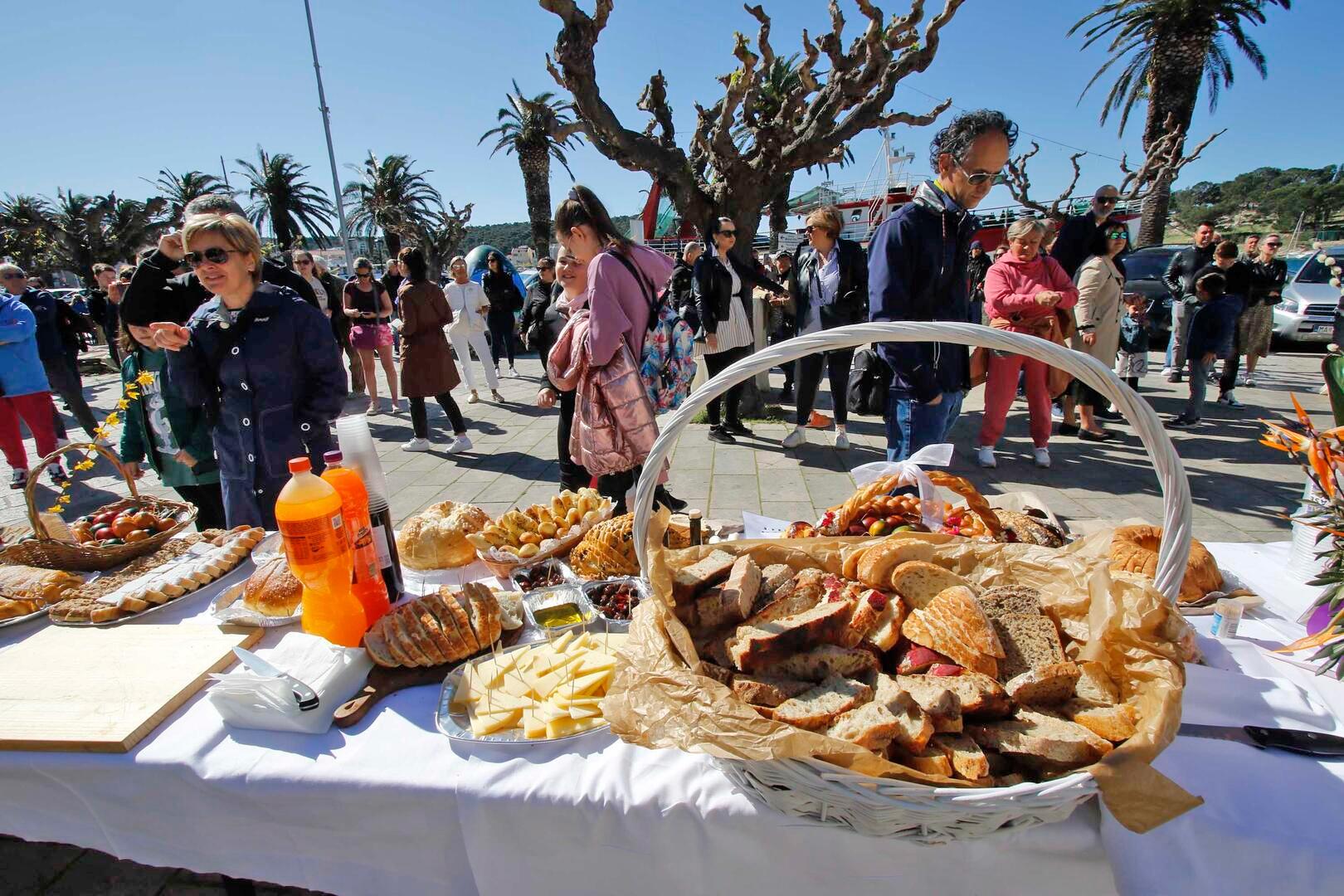
A date you must mark in red on your calendar is Monday, April 6, 2026. Starting at 10:00 AM, the square (Trg 4. svibnja 533) transforms into a vibrant center of Croatian culture.
- Uskrsni Doručak (The Easter Breakfast): Makarska’s restaurateurs prepare a gigantic Easter table for all citizens and guests. It is the perfect opportunity to taste local specialties like Fritaja (a large egg dish) and various sweet delicacies in good company.
- Live Music & Klapa: Nothing embodies Dalmatia quite like Klapa singing. Throughout the morning, the Gradska Glazba Makarska, Klapa Muccurum, and later (at 11:00 AM) the well-known Klapa Sebenico will perform. These polyphonic a cappella songs are deeply moving.
- Evening Concert: For those who wish to conclude the day appropriately, head to the Apfel Arena at 8:00 PM for a concert by Alan Hržica. His spiritual songs perfectly complement the Easter mood.
Typically Croatian: Etiquette and Customs
Croatians are extremely hospitable but place great value on tradition. If you are invited or participate in the festivities:
- "Sretan Uskrs!": Greet people with these words (Happy Easter). A smile opens every door here.
- Take Your Time: There is no stress in Croatia. The concept of "Pomalo" (slowly, one thing at a time) is especially important at Easter. Enjoy your coffee for hours in the sun.
- Attire: For processions and church visits, slightly more formal clothing is appropriate. People like to dress up for Easter—it is the feast of the Resurrection and new life.
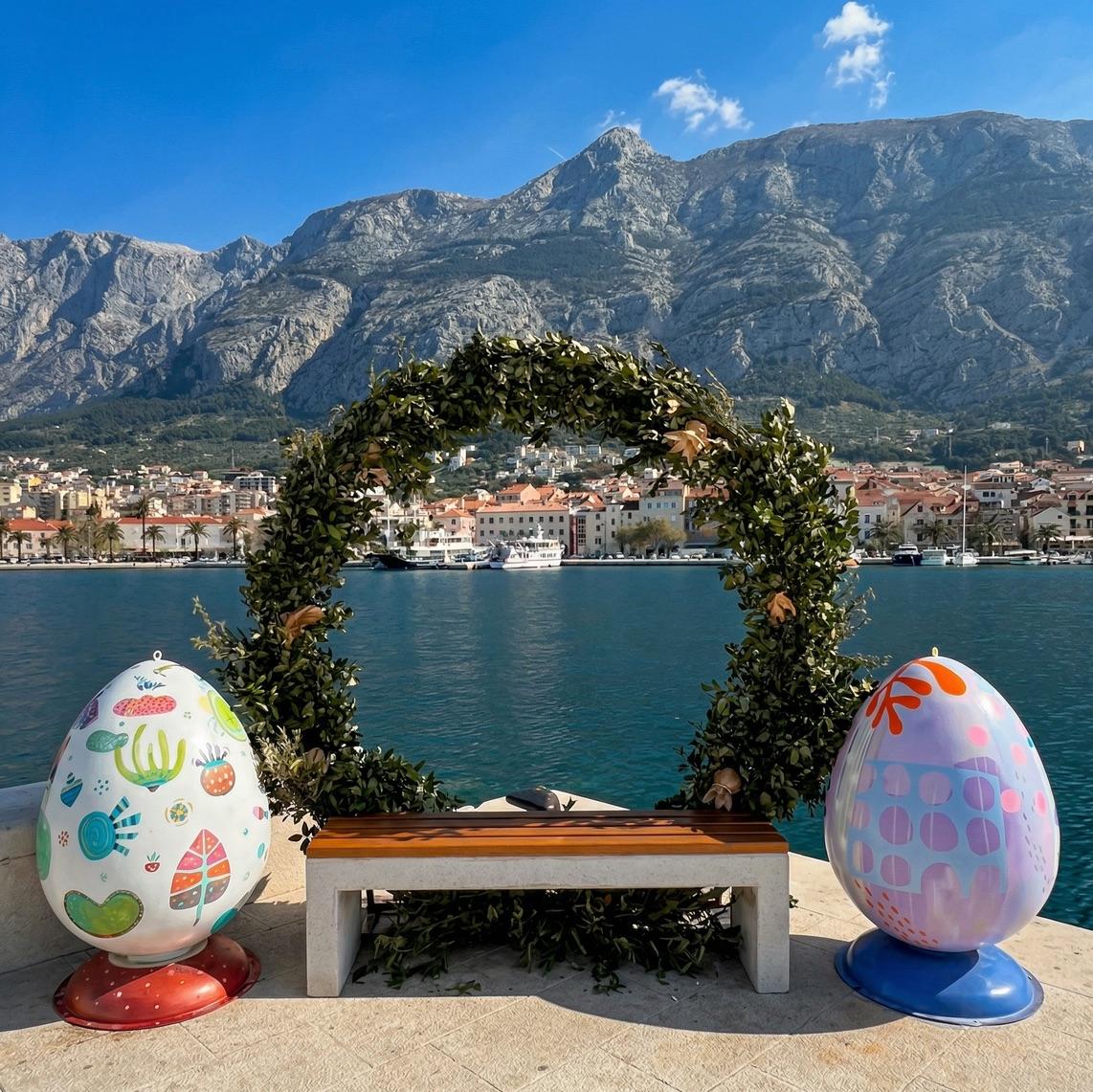
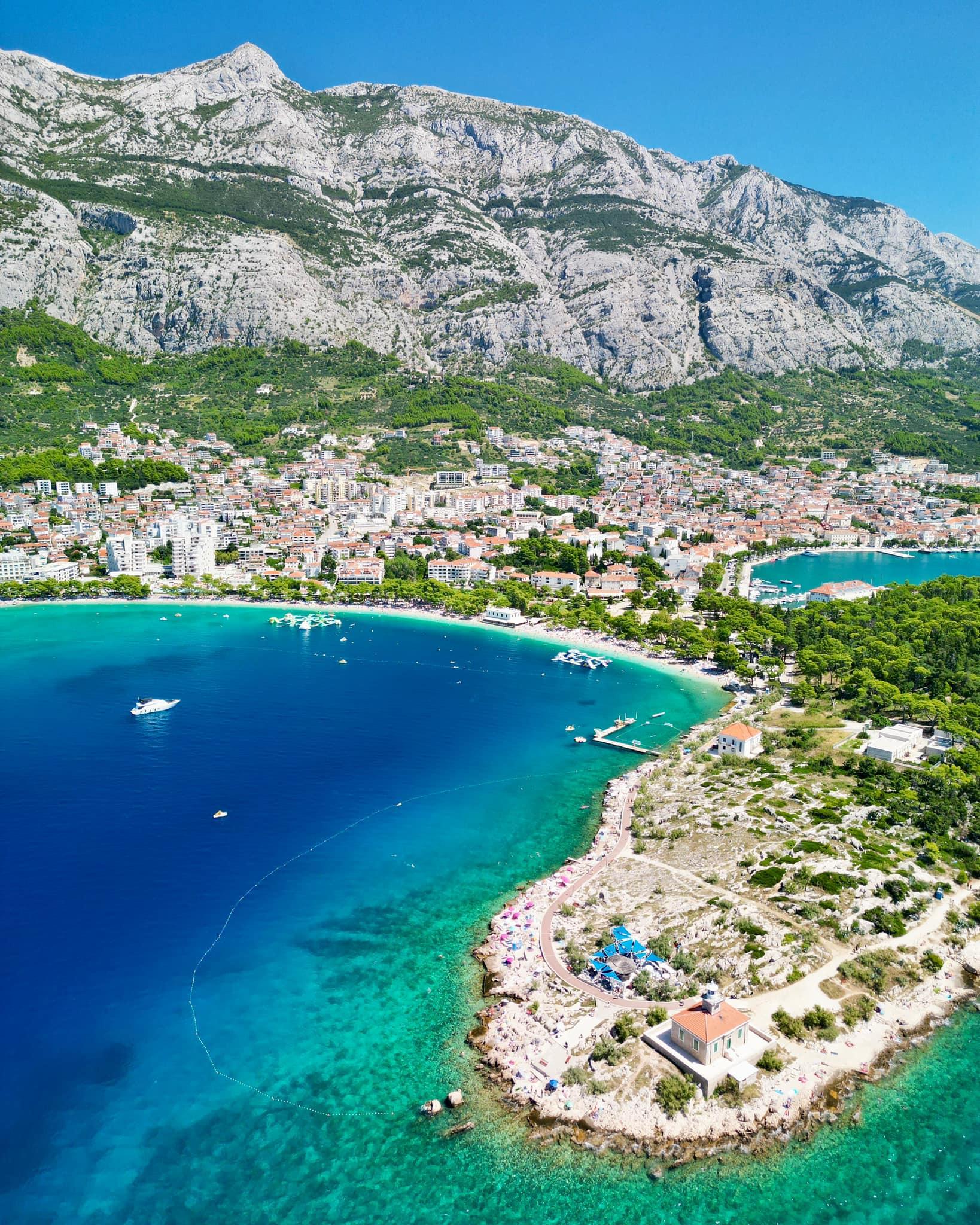
Makarska at Easter is a feast for all the senses. It is the time to feel the deep connection between the people, their land, and their faith—all set against the spectacular backdrop of the sparkling sea and the Biokovo mountains.
Discover Makarska: Your gateway to an unforgettable vacation experience
 +385 99 163 8560
 support@makarska-exklusiv.com



© Copyright Makarska Exklusiv. All Rights Reserved.
Made with love by Stylabs